Top Rated Remodeling Experts in East Palo Alto
Transform Your Home: Innovative Ideas for Remarkable Home Additions
Transforming a home through well-considered additions can greatly enhance both its utility and curb appeal. From light-filled sunrooms that embrace the outdoors to expansive decks perfect for entertaining, the opportunities are endless. Enlarging essential spaces, such as kitchens, encourages togetherness, while a new garage can resolve organization concerns. Grasping key design principles and proper planning is critical. Yet, what really drives homeowners to adopt these transformations? The answer rests in the remarkable impact of expertly completed home additions.
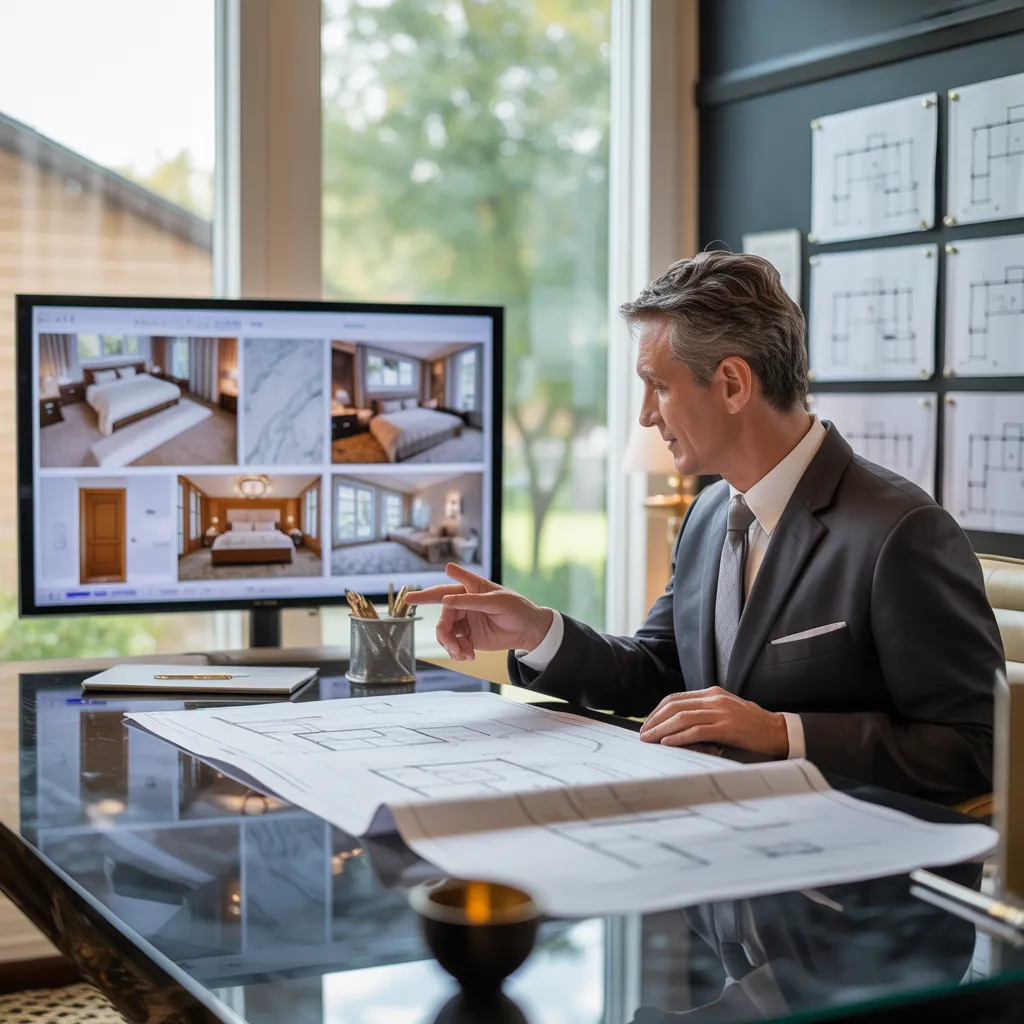
Uncover Leading Home Addition Ideas to Upgrade Your Space
Many homeowners actively pursue unique approaches to upgrade their homes, and exploring popular home addition ideas can offer transformative solutions. One widely favored option is the addition of a sunroom, which introduces abundant natural light while establishing a peaceful retreat for unwinding. An equally attractive option is a deck or patio, stretching the home's footprint outside and well-suited for social occasions.
Homeowners might also think about enlarging their kitchen spaces, creating a more useful and appealing environment. A garage addition not only offers extra storage but can also serve as a personal workshop or creative space.
For homeowners requiring extra sleeping spaces, a bedroom addition can offer essential privacy and comfort. Furthermore, transforming attics or basements into functional living areas offers a chance for innovative design while making the most of existing square footage. Each of these ideas has the potential to enhance both functionality and aesthetic appeal, ultimately transforming a home into a more enjoyable environment.
How Home Additions Can Enhance Your Lifestyle?
Home additions can significantly improve living space, giving families the space they need to grow and adapt. Moreover, adding to a home can result in greater property value, making it a wise financial investment. Lastly, these additions often foster deeper family connections by developing common areas for shared activities and gatherings.
Upgrade Living Space
Enlarging a residence through home additions can significantly improve one's daily life by offering greater comfort and functionality. For households, additional rooms can accommodate growing needs, such as a playroom for children or a dedicated home office. A carefully planned addition can develop a smooth connection between interior and exterior areas, fostering leisure and connection. Moreover, integrating elements like large windows or open floor plans cultivates a feeling of openness and harmony with nature. Upgraded home spaces also support customized design decisions, showcasing personal tastes and preferences. Overall, home expansions not only improve current areas but also create environments that promote well-being and improve daily living experiences.
Improve Property Value
Committing resources to home additions can substantially boost a property's market value, making it a smart investment choice. By expanding square footage or incorporating practical areas, sellers can appeal to interested purchasers and raise property values. Elements including new bedrooms, contemporary kitchens, or multipurpose living areas regularly produce substantial returns. Furthermore, enhancements like sunrooms or decks not only elevate the home's appearance but also satisfy contemporary living aspirations, ultimately enhancing marketability. A thoughtfully executed addition can transform a home into a more valuable asset, reflecting the current market trends and buyer preferences. In summary, purposeful residential additions serve as a smart approach to enhancing overall property value while elevating the quality of life for present homeowners.
Foster Family Connections
A skillfully designed addition can greatly improve family connections by establishing spaces that promote interaction and closeness. Open-plan floor plans, such as family rooms or generous kitchens, function as hubs for communal activities, fostering communication and bonding. Purpose-built areas for hobbies or playrooms offer children a place to interact, while adults can enjoy nearby social spaces. Additionally, integrating outdoor living spaces, like patios or decks, enables families to gather in a comfortable environment. These additions not only encourage everyday connections but also establish a backdrop for cherished gatherings and celebrations. In the end, carefully considered home additions convert living environments into enriching spaces that deepen family ties, enhancing overall quality of life.
Critical Design Elements to Transform Your Home Addition
As homeowners plan a home addition, including fundamental design features can greatly boost both appearance and usability. Essential features encompass natural light, which can be attained with large windows or skylights, creating a bright and inviting space. Additionally, an open floor plan encourages smooth transition between existing and new areas, creating a feeling of cohesion.
Incorporating matching materials and hues ensures the new addition blends seamlessly with the existing structure, preserving architectural harmony. Strategic configuration of fixtures and furnishings maximizes functionality, creating a space suited for daily living. Outdoor connections, including a patio or deck, serve to enlarge living spaces and inspire outdoor engagement. Ultimately, sustainable design approaches, featuring adequate insulation and green materials, contribute to long-term savings and environmental responsibility. By prioritizing these key design components, residents can craft a harmonious and stunning addition that enriches their home life.
Plan Your Home Addition Project Effectively
Careful planning is critical for a well-executed home addition project. Property owners should commence by identifying their priorities, whether it's expanding their living area, boosting practical use, or elevating the property's worth. Creating a solid vision assists in directing the construction and design journey. Additionally, researching local zoning laws and building codes is essential to ensure adherence and prevent possible complications.
Establishing a roadmap that outlines each step of the process supports maintaining clarity and responsibility. Residents may also want to consider engaging specialists, such as architects or contractors, for expert advice and to streamline the project.
Additionally, prioritizing communication within the team builds a collaborative environment and handles concerns promptly. As a final consideration, keeping an eye on future needs can assist in crafting an addition that maintains its value and functionality. By following these steps, homeowners can navigate their home addition projects with greater confidence and clarity.
Home Addition Budgeting: Important Tips to Know
Planning the finances for a home addition demands thorough planning and careful thought to minimize surprise expenditures. Homeowners ought to start by establishing a reasonable budget that covers all components of the project, including permits, materials, labor, and unforeseen expenses. It is wise to reserve an extra 10-20% of the overall budget for unexpected circumstances.
Gathering and evaluating quotes from multiple contractors may yield important knowledge and support better decision-making. Additionally, homeowners should prioritize their needs versus wants, guaranteeing that key components are incorporated while staying within their budget.
Creating a thorough timeline can assist in aligning expenses with project check here phases, reducing monetary pressure. Additionally, working with a financial advisor or a building expert can provide further clarity on possible expenses and funding solutions, guaranteeing that the finances stay controlled throughout the residential addition endeavor. This strategic approach facilitates a prosperous and fiscally responsible home expansion.
Real-Life Home Addition Projects That Will Inspire You
Inspiring residential addition renovations reveal the remarkable promise of residential spaces. A perfect illustration is a humble bungalow that experienced a significant renovation with a contemporary, stylish expansion. By incorporating a generous kitchen and dining area, the property owners enriched their culinary lifestyle while establishing a warm gathering space for loved ones and guests.
A remarkable transformation highlights a compact dwelling that expanded vertically with a delightful loft, making the most of the space by incorporating a comfortable reading corner. This smart architectural choice not only enhanced practicality but also brought personality to the space.
Ultimately, a traditional ranch house welcomed a sleek design with a floor-to-ceiling glass sunroom, illuminating the interior with generous natural light and offering stunning views of the garden at the rear of the property.
These actual transformations demonstrate the wide range of possibilities for home improvements, motivating homeowners to consider their own personalized improvements and redefine their living environments.
Commonly Asked Questions
What Permits Are Necessary for a Home Addition Project?
When undertaking a home addition project, one typically needs a building permit, zoning clearance, and in some cases electrical or plumbing permits. Municipal regulations differ, so speaking with local authorities is essential to ensure all requirements are met.
How Long Does a Typical Home Addition Take to Complete?
An average home addition usually takes two to six months to be completed, influenced by factors such as complexity, size, weather conditions, and permits. Proper planning and contractor efficiency can influence the timeline considerably.
Can I Live in My Home During the Addition Process?
In most cases, homeowners can generally stay in their homes during the addition process. However, elements like the scope of the project, location, and noise levels may influence daily comfort and access, prompting short-term adjustments or temporary accommodations during the construction phase.
What Common Mistakes Should You Avoid When Planning an Addition
Typical pitfalls to steer clear of when planning an addition include misjudging the overall budget, ignoring necessary building permits, overlooking structural integrity, not considering long-term requirements, and failing to seek expert guidance. Careful planning guarantees smoother execution and better results.
How Should I Go About Choosing the Right Contractor for My Project?
To choose the best specialist, you should research qualifications, verify recommendations, and guarantee clear communication. Comparing multiple bids and evaluating prior experience can aid in establishing dependability and suitability for the specific home addition project.